


Choosing the Best Types of Fences for Your Home
- artrailingtoronto
- Jan 27
- 4 min read
When it comes to enhancing your outdoor space, choosing the right types of fences can make a huge difference. Whether you want privacy, security, or just a charming boundary, the fence you pick will shape your yard’s look and feel. I’ve learned that picking the best fence isn’t just about style—it’s about function, durability, and how well it fits your lifestyle. Let’s dive into the world of fences and explore what works best for your home.
Understanding Different Types of Fences
There are many types of fences to choose from, each with its own strengths and weaknesses. Knowing the options helps you make an informed decision that suits your needs and budget.
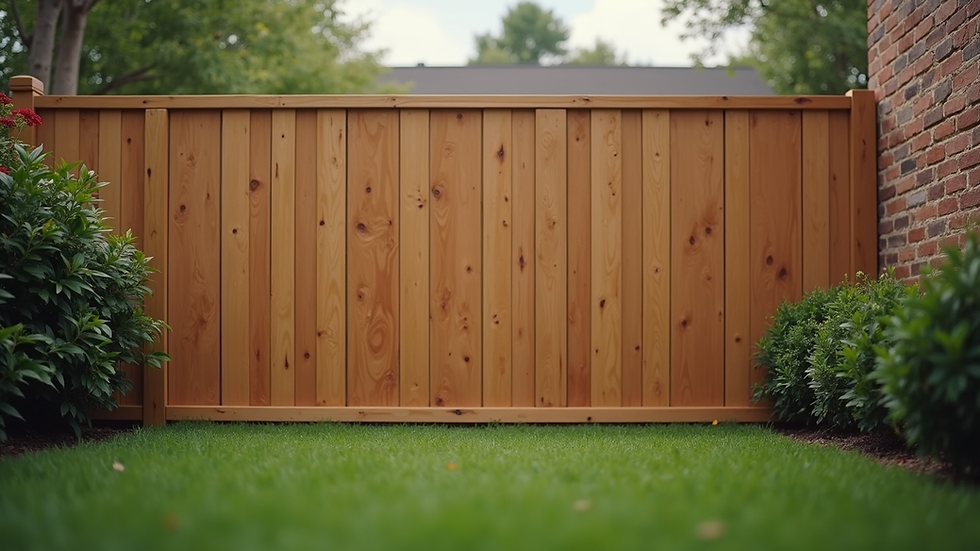
Wood Fences: Classic and versatile, wood fences offer natural beauty and privacy. They can be painted or stained to match your home’s style. Cedar and pine are popular choices because they resist rot and insects. However, wood requires regular maintenance to keep it looking good.
Vinyl Fences: If you want a low-maintenance option, vinyl is a great pick. It doesn’t rot, warp, or need painting. Vinyl fences come in many styles, from picket to privacy panels. They’re durable and easy to clean but can be pricier upfront.
Chain Link Fences: These are practical and affordable. Chain link fences are great for security and keeping pets in, but they don’t offer much privacy. You can add privacy slats or plants to soften the look.
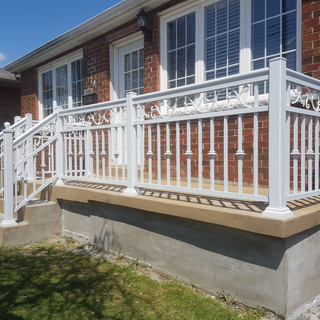
Aluminum Fences: Aluminum fences look elegant and require little upkeep. They’re rust-resistant and perfect for decorative purposes, like around pools or gardens. They don’t provide much privacy but add a stylish touch.
Wrought Iron Fences: Known for their strength and classic appeal, wrought iron fences are sturdy and long-lasting. They require some maintenance to prevent rust but offer excellent security and curb appeal.

Wood fences add warmth and privacy to any yard.
How to Choose the Right Fence for Your Needs
Choosing the right fence depends on several factors. Here’s what I consider essential before making a decision:
Purpose: What do you want your fence to do? Is it for privacy, security, decoration, or keeping pets and kids safe? For example, a tall wood or vinyl fence works well for privacy, while a chain link fence is better for security and containment.
Budget: Fences vary widely in cost. Wood and chain link are usually more affordable, while vinyl and wrought iron can be more expensive. Remember to factor in installation and maintenance costs.
Maintenance: Some fences need regular upkeep. Wood fences require staining or painting every few years, while vinyl and aluminum need minimal care.
Local Climate: Weather affects fence durability. In areas with heavy rain or snow, materials like vinyl or treated wood perform better. Aluminum and wrought iron resist rust but may need occasional touch-ups.
Style and Home Design: Your fence should complement your home’s architecture. A rustic wood fence suits a cottage-style home, while a sleek aluminum fence fits modern designs.

Vinyl fences offer a clean, modern look with minimal upkeep.
Is Fences based on a true story?
This might seem like an odd question in a blog about outdoor construction, but it’s worth clarifying! The term "fences" here refers to the physical structures around your property, not the play or movie by the same name. So, no, the fences we’re talking about aren’t based on a true story—they’re practical, everyday solutions for your home’s outdoor needs.
Installation Tips and Considerations
Installing a fence might seem straightforward, but there are some important things to keep in mind to ensure your fence lasts and looks great.
Check Local Regulations: Before you start, check with your local municipality about fence height limits, property lines, and permits. This can save you headaches later.
Mark Your Property Lines: Use a survey or property markers to avoid disputes with neighbours.
Choose Quality Materials: Don’t skimp on materials. Quality posts and hardware make a big difference in fence longevity.
Consider Professional Installation: While DIY is tempting, professional installers have the tools and experience to do the job right and quickly.
Plan for Drainage and Ground Conditions: Make sure your fence posts are set deep enough and in well-drained soil to prevent shifting or rotting.
Enhancing Your Outdoor Space with the Right Fence
A well-chosen fence does more than mark boundaries. It can transform your outdoor space into a private retreat, a safe play area, or a stylish extension of your home.
Add Plants and Landscaping: Climbing plants or shrubs along your fence soften its look and add colour.
Incorporate Lighting: Solar or LED lights on fence posts create ambiance and improve safety.
Mix Materials: Combining wood with metal or vinyl can create a unique, custom look.
Use Decorative Elements: Post caps, lattice tops, or custom gates add personality.
If you’re in Barrie or nearby, companies like EZ Post Holes specialize in outdoor construction projects like fences, railings, and decks. They focus on quality work and customer satisfaction, making your outdoor transformation smooth and enjoyable.
Making Your Fence Last
Once your fence is installed, keeping it in good shape is key. Here are some tips:
Regular Inspections: Check for loose boards, rust, or damage after storms.
Clean Your Fence: Wash vinyl or metal fences with soap and water. Wood fences benefit from power washing.
Treat Wood Fences: Apply sealant or stain every few years to protect against moisture and UV damage.
Trim Vegetation: Keep plants and grass away from the base to prevent rot and pests.
Choosing the best types of fences for your home is a smart investment. It boosts curb appeal, adds security, and creates a space you love. With the right information and a bit of planning, you’ll find the perfect fence that fits your style and needs. Ready to get started? Your ideal fence is just a decision away!


Comments